The OSR has always been a place to learn and share experiences. In 2026, the current OSR program includes 1 round table and 4 named panels. All times on this page are shown for Bordeaux, using the Europe/Paris timezone. During the June 15-18, 2026 program, that means CEST (UTC+2).
OSR Round Table: Open Science Room Opening ft. BIDS annual updates
When: 11:30-12:30 CEST (UTC+2) | June 15, 2026 (Monday) Room: Room H
This opening round table introduces the 2026 Open Science Room and pairs that overview with annual updates from the Brain Imaging Data Structure (BIDS) community. It is designed to orient attendees to the week’s program, summarize the current state of OSSIG and BIDS work, and create an early space for questions from both in-person and online participants.
This round table will:
-
Provide updates on the Open Science Room and the Open Science Special Interest Group.
-
Provide annual updates on the development and maintenance of BIDS tools.
-
Invite community feedback that can shape future OSR and OSSIG activities.
Moderated by:
- James Kent — University of Texas at Austin/Psychology
OSR Panel: Sharing Data Across Borders


When: 09:30-10:30 CEST (UTC+2) | June 15, 2026 (Monday) Room: Room H
The global neuroscience community is creating data at a scale that requires new models of responsible governance. This panel examines how legal, ethical, and technical constraints shape what can be shared, who can access it, and how cross-border collaboration can remain both equitable and compliant. By bringing together perspectives on privacy, infrastructure, and international participation, the discussion focuses on what responsible data sharing looks like in practice rather than in the abstract.
This panel will:
-
Explain differences between federated, centralized, and decentralized governance strategies, and between anonymized and de-identified data.
-
Compare how legal and ethical constraints affect data sharing across regions.
-
Highlight practical approaches for more equitable cross-border participation in global neuroscience.
Speakers:
-
Anita Jwa, Research Scholar — Stanford University Empirical Analyses of Privacy Risks in Neuroimaging Data Sharing
The open science movement in neuroimaging has substantially expanded the scale and scope of shared research data, accelerating progress in understanding the function of the human brain in both healthy and disease states. This talk outlines the major privacy concerns associated with neuroimaging data and presents empirical analyses examining two frequently cited risks: the potential reidentification of neuroimaging data through face-recognition algorithms, and the possibility of decoding individuals’ mental states or predicting future behaviors using machine learning. By clarifying what current evidence does—and does not—support, the talk aims to inform more balanced governance approaches that protect data privacy while preserving the substantial scientific benefits of open neuroscience.
-
Maruf Adewole, PhD — Medical Artificial Intelligence Laboratory (MAI Lab), Lagos, Nigeria Implementing Open Neuroimaging in Africa
An overview of the challenges and opportunities of open neuroscience in advancing brain imaging science and practice in Africa.
-
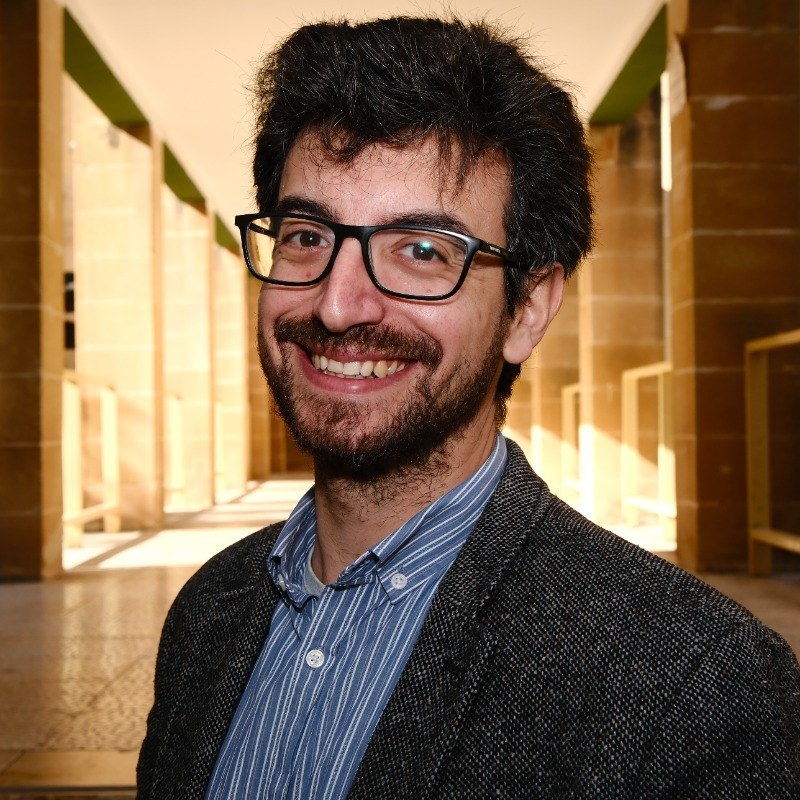
Claude Bajada, Senior Lecturer — University of Malta Open Brains, Tight Laws: The GDPR and Europe’s Next Steps
Open and FAIR neuroimaging have become central to contemporary brain research, yet for European researchers these ambitions collide head-on with the General Data Protection Regulation (GDPR). Building on recent analyses of neuroimaging data, this talk argues that, as defined within the current GDPR, MRI data are intrinsically personal and almost never genuinely anonymisable. Current open-repository practices, largely rooted in US de-identification standards, sit uneasily within the EU’s rights-based data protection model. This presentation discusses the implications of both current law and the European Commission’s proposed Digital Omnibus simplification for practical neuroimaging in European neuroscience and for neuroscience elsewhere that interfaces with Europe.
- Cyril Pernet, Senior Research Software Developer — Copenhagen University Hospital, Denmark
-
Oliver Gray, Dr. — UK Biobank The Global Access, Use, and Impact of UK Biobank
Over the past two decades, UK Biobank has evolved into one of the world’s most powerful resources for advancing our understanding of human health. Its data are openly accessible to academic and commercial researchers across the globe, enabling tens of thousands of scientists to generate insights that are fed back into the resource—continually enriching its value. This talk highlights how UK Biobank’s access model fosters international collaboration, showcasing examples of cross-border research and the impact of shared discoveries, as well as the infrastructure, governance, and policy frameworks that underpin this success.
Moderated by:
- Gaëlle Leroux — Lyon Neuroscience Research Centre
- James Kent — University of Texas at Austin/Psychology
OSR Panel: How to Communicate Your Science to a Broader Audience
When: 17:00-18:00 CEST (UTC+2) | June 15, 2026 (Monday) Room: Room H
Effective science communication is a necessary bridge between subject-matter experts and broader audiences, whether the goal is public understanding, interdisciplinary collaboration, or policy impact. This panel explores how researchers tailor complex ideas without losing accuracy, and how enthusiasm, storytelling, visual design, and different media formats can make scientific work more accessible and memorable.
This panel will:
-
Clarify why communicating science beyond specialist circles matters for impact, trust, and collaboration.
-
Explore what makes scientific storytelling memorable and effective across talks, blogs, podcasts, social media, and industry-facing contexts.
-
Connect science communication to open-science goals such as accessibility, inclusion, and broader reuse.
Speakers:
-
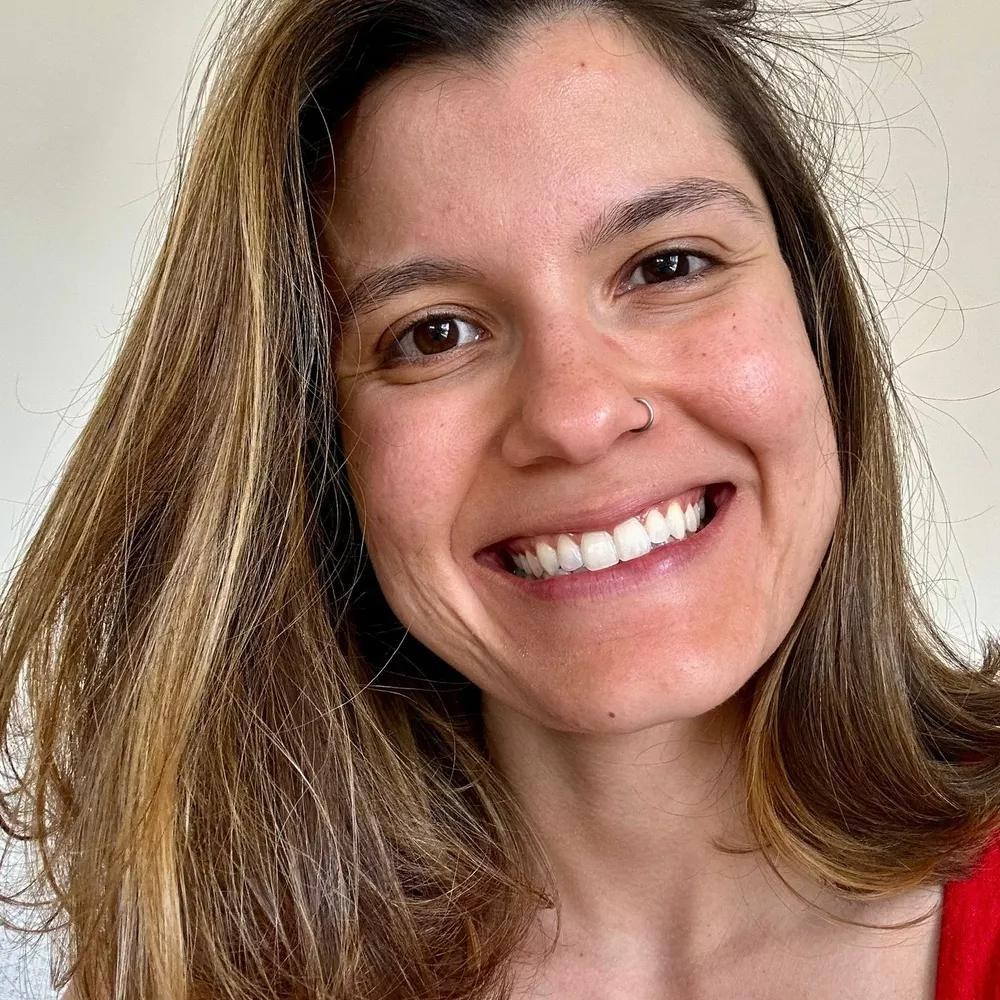
Fernanda Ribeiro, Marie Skłodowska-Curie Postdoctoral Fellow — Justus-Liebig University Giessen The Talks I Can’t Forget: Why Enthusiasm Matters
As a first-gen university student and academic, I struggled to feel like myself delivering talks in a serious tone. What I eventually learned—through trial and error and watching the speakers who stuck with me—was that enthusiasm isn’t unprofessional: it’s what makes science communication both authentic and memorable. I’ll share what made those talks stick with me and why I think enthusiasm deserves a place in how we all communicate science.
-
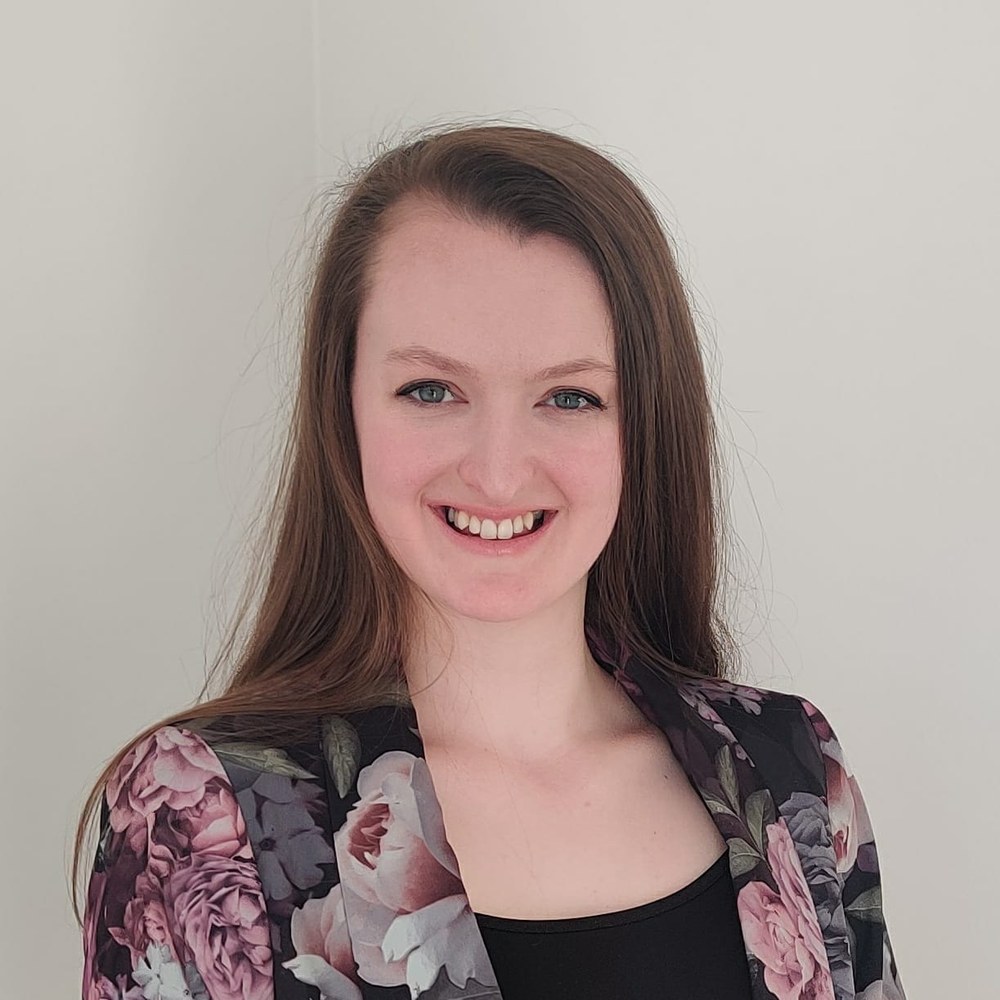
Ashley Tyrer, Assistant Professor — Aarhus University From Experts to Everyone: Making Science Accessible
One of the most vital components of successful science communication is knowing one’s audience. It is a common pitfall for many researchers to communicate their work in a “by experts for experts” manner, which can inadvertently deter those who could learn the most. This talk discusses the key aspects of making scientific communication accessible to a broader audience across multiple formats, including blogging, podcasting, and social media.
-
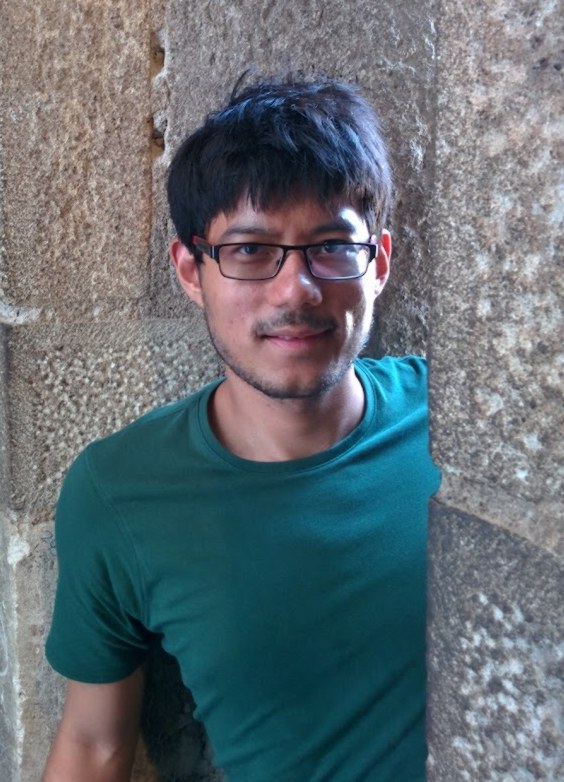
Yohan Yee, Assistant Professor — University of Calgary How Not to Communicate Your Science to a Broader Audience
A presentation of unexpected insights and surprises encountered when communicating science to different audiences, ranging from elementary school children to specialist scientific audiences.
-
Tiffany Love, Associate Professor — University of Colorado Bridging Neuroscience and Industry Communication
Effective communication between the scientific community and industry is necessary for translating neuroscience research into real-world applications, yet it remains a persistent challenge due to differences in goals, language, timelines, and incentive structures. This talk explores how structural differences between academic and industrial environments shape how information is interpreted and acted upon, and presents practical strategies for communicating neuroscience to industry stakeholders in ways that enhance understanding and facilitate implementation.
Moderated by:
- Chloe Page — University of Colorado
- James Kent — University of Texas at Austin/Psychology
OSR Panel: Ten years of OSSIG - historical perspectives on open science at OHBM
When: 08:00-09:00 CEST (UTC+2) | June 17, 2026 (Wednesday) Room: Room H
This panel reflects on the past, present, and future of open science within the OHBM community by bringing historical perspective to current debates. Drawing on the experience of past and present OSSIG leaders, the session looks at how the community has changed over the last decade, what open-science practices have become established, and which questions should shape the next phase of OSR and OSSIG activity.
This panel will:
-
Review the history of open science within OHBM and the role of OSSIG in that development.
-
Stimulate discussion about how the community’s priorities have shifted over the last ten years.
-
Use audience participation to inform future OSSIG and OSR directions.
Speakers:
- Daniel Margulies, Research Director (DR2) — CNRS / Oxford University Centre for Integrative Neuroimaging
- Camille Maumet — Université de Rennes
- Janine Bijsterbosch, Associate Professor — Washington University in St. Louis
- Koen Haak — Tilburg University
- Lune Bellec — Université de Montréal
- Muriah Wheelock — Washington University in St. Louis
- Nils Muhlert — University of Manchester
- Stefano Moia — Maastricht University
Moderated by:
- James Kent — University of Texas at Austin/Psychology
- Johanna Bayer — Donders Institute for Brain, Cognition and Behaviour
OSR Panel: Career Journeys in Open Science


When: 12:30-13:30 CEST (UTC+2) | June 17, 2026 (Wednesday) Room: Room H
Open-science expectations are expanding across journals, funders, and research communities, but they still often feel optional or extra for people trying to build sustainable careers. This panel focuses on how researchers inside and outside academia have turned open-science practices into real professional assets, and how trainees can weigh the opportunities, trade-offs, and skills that matter across different career paths.
This panel will:
-
Identify career pathways within and beyond academia where open-science expertise is a meaningful asset.
-
Discuss tensions between traditional incentives and open-science practice, along with strategies for navigating them sustainably.
-
Highlight concrete open-science skills that can strengthen a trainee’s competitiveness on the job market.
Speakers:
- Daniel Margulies, Research Director (DR2) — CNRS / Oxford University Centre for Integrative Neuroimaging
-
Cassandra Gould Van Praag, Executive Director — RCM Cooperative Open Science Brought Passion and Purpose to My Career
Open science showed me how community can be used to address an imbalance of power. In this talk I will sketch out my timeline of engagement with open science, EDI, and community; how the actions of others allowed me to explore my passion; and how much I love helping others claim their power in this system.
-
Stephanie Noble, Assistant Professor — Yale University Beyond the Degree: Career Paths and Collaborative Science for Early Career Researchers
Dr. Noble will reflect on how open, collaborative, and interdisciplinary science has formed an integral part of her career journey as an early career researcher. Given the importance of networking for unlocking career opportunities—whether across disciplines or outside of academia—she will share practical strategies for cultivating relationships to support your scientific journey wherever it might take you.
-
Subapriya Suppiah, Professor — Universiti Putra Malaysia (UPM) Imaging the Brain in the Open: From Neuroscience to Real-World Care
This talk traces an academic journey at the intersection of neuroscience, clinical neuroimaging, and nuclear medicine, highlighting how multimodal and molecular imaging can deepen the understanding of brain structure–function relationships while improving real-world patient care. The talk reflects on open science as a lived practice—rooted in collaboration, data sharing, cross-disciplinary partnerships, and building professional capacity in neuroimaging—that strengthens research even within the constraints of clinical service and academic medicine.
Moderated by:
- Chloe Page — University of Colorado
- James Kent — University of Texas at Austin/Psychology